Hello everyone.
Today, I’d like to talk about something very important for many people planning to study in Japan:
👉 part-time jobs for international students.
Many people who want to study in Japan often wonder:
“Can international students work while studying?”
The short answer is:
👉 yes — but there are strict rules.
Many international students work in:
convenience stores,
restaurants,
supermarkets,
hotels,
and other service jobs.
In fact:
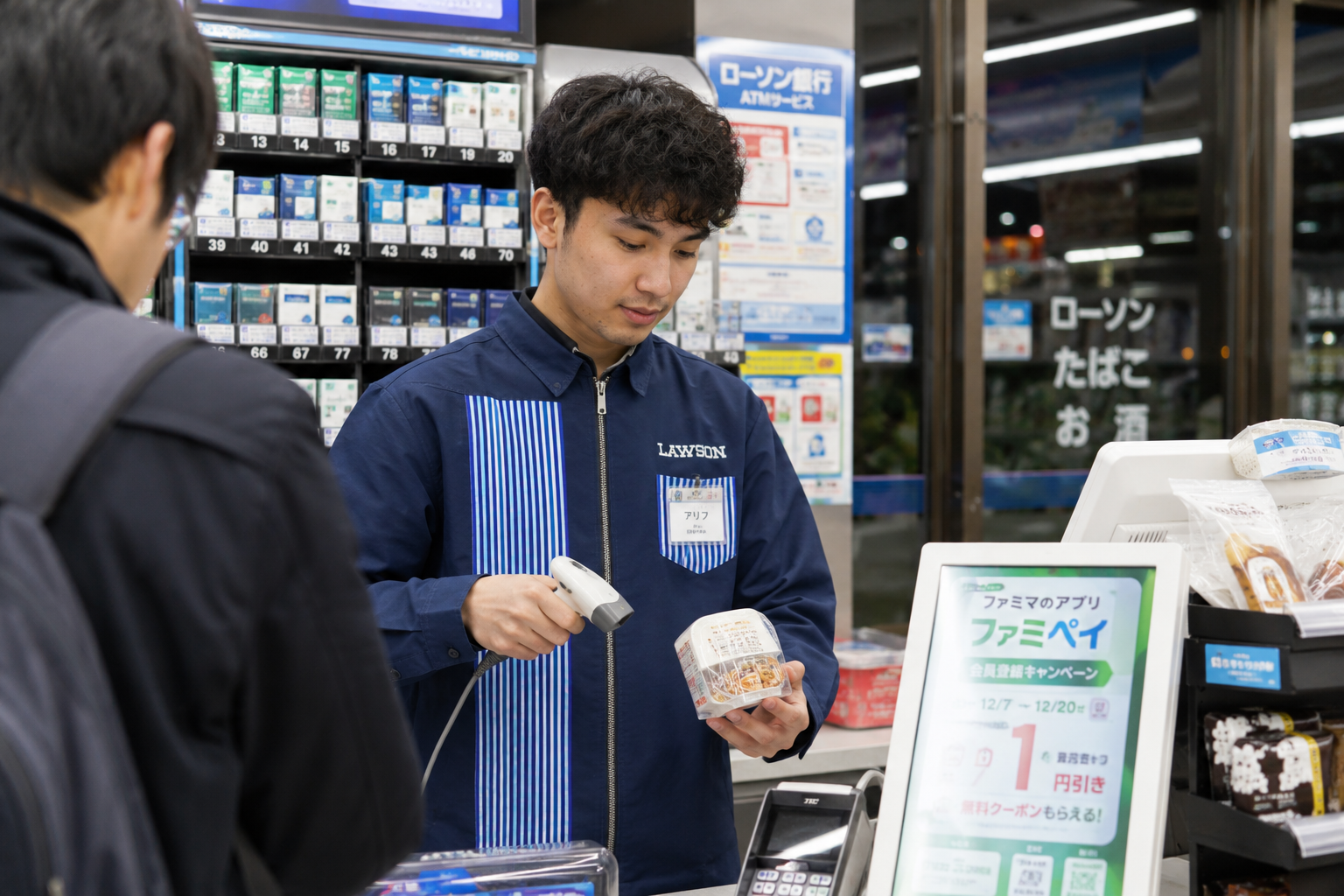
👉 Japanese convenience stores depend heavily on international student workers.
As someone who has worked in convenience stores for many years, I can honestly say:
👉 many stores would struggle to operate without them.
However, there is something many people outside Japan do not realize:
👉 international students in Japan face strict work restrictions.
Today, I’d like to explain how this system works — and why many students still struggle financially.
International Students Need Permission to Work
First:
international students in Japan cannot automatically work part-time.
To legally work:
👉 students usually need special permission called:
“Permission to Engage in Activity Other Than That Permitted”
(資格外活動許可 / Shikakugai Katsudō Kyoka)
This permission allows students to work part-time while studying in Japan.
The basic idea behind this rule is simple:
👉 students come to Japan primarily to study, not to work full-time.
Because of this:
👉 working hours are limited.
The 28-Hour Rule
During regular school periods:
👉 international students are generally allowed to work up to 28 hours per week.
This rule applies to:
👉 all jobs combined.
For example:
if a student works at two different places,
👉 the total combined working hours must still remain within the 28-hour limit.
This point is very important.
Some students mistakenly think:
“28 hours at one job plus another job is okay.”
But that is not true.
Exceeding the limit can create:
👉 serious immigration problems.
In some cases:
👉 it may affect future visa renewals or residence status.
Because of this:
👉 many international students carefully track their working hours.
What About School Holidays?
During long school vacations,
such as:
summer break,
winter break,
or spring break,
👉 students are generally allowed to work up to 8 hours per day (around 40 hours per week).
This gives students a chance to save more money.
However:
👉 even with this temporary increase, living in Japan can still be financially difficult.
Why Many International Students Struggle Financially
To be honest:
👉 living in large cities like Tokyo can be expensive.
Students must often pay for:
rent,
food,
transportation,
phone bills,
and school-related costs.
Because working hours are limited:
👉 many students have to live very carefully.
From what I have personally seen in convenience stores:
👉 many international students share apartments with roommates to reduce living expenses.
Sometimes:
👉 two, three, or even four people live together.
Many students also work incredibly hard while balancing:
school,
Japanese language study,
part-time jobs,
and daily life in a foreign country.
Honestly:
👉 I respect them a lot.
Some people in Japan criticize foreign workers.
But from my experience:
👉 many international students are among the hardest-working people I have met.
Night Shifts Are More Complicated Than People Think
Some people may wonder:
“Why not simply work night shifts and earn more money?”
Actually:
👉 night shifts themselves are not forbidden.
However:
because students must still follow the 28-hour weekly limit,
👉 working many high-paying night shifts is often difficult in practice.
As a result:
👉 many students still struggle financially despite working very hard.
Breaking the Rules Can Cause Serious Problems
Japan takes these rules seriously.
If students work beyond their legal limit:
👉 it can create immigration or visa-related problems.
In serious situations:
👉 students may even risk losing their permission to stay in Japan.
Because of this:
👉 responsible students usually monitor their schedules very carefully.
My Personal Thoughts
Personally:
👉 I feel very grateful to international staff.
I have worked with many foreign employees over the years.
Many of them were:
hardworking,
serious,
responsible,
and sincerely trying their best in a difficult situation.
To be honest:
👉 I sometimes feel Japan could provide more support for students who are genuinely working hard while studying.
Japan has welcomed many international students over the years.
So I hope:
👉 students who sincerely want to study, work hard, and contribute to society can live a little more comfortably.
Thank you for reading.
Related Articles
Who Works at Japanese Convenience Stores in Japan? (Staff Types Explained)
→ Learn how convenience store workers in Japan have changed over the past 35 years.
Do Convenience Store Jobs Pay Well in Japan? (The Reality Explained)
→ Discover how much convenience store workers actually earn in Japan.
Can Convenience Store Staff Speak English in Japan? (Part 1)
→ Find out how foreign customers and staff communicate in Japanese convenience stores.
コメント